A small college gallery that punches above the enrolment
Westmont's Ridley-Tree House Museum programmes work that would sit comfortably in a much larger institution.
The museum a small Christian liberal-arts college built into a historic house

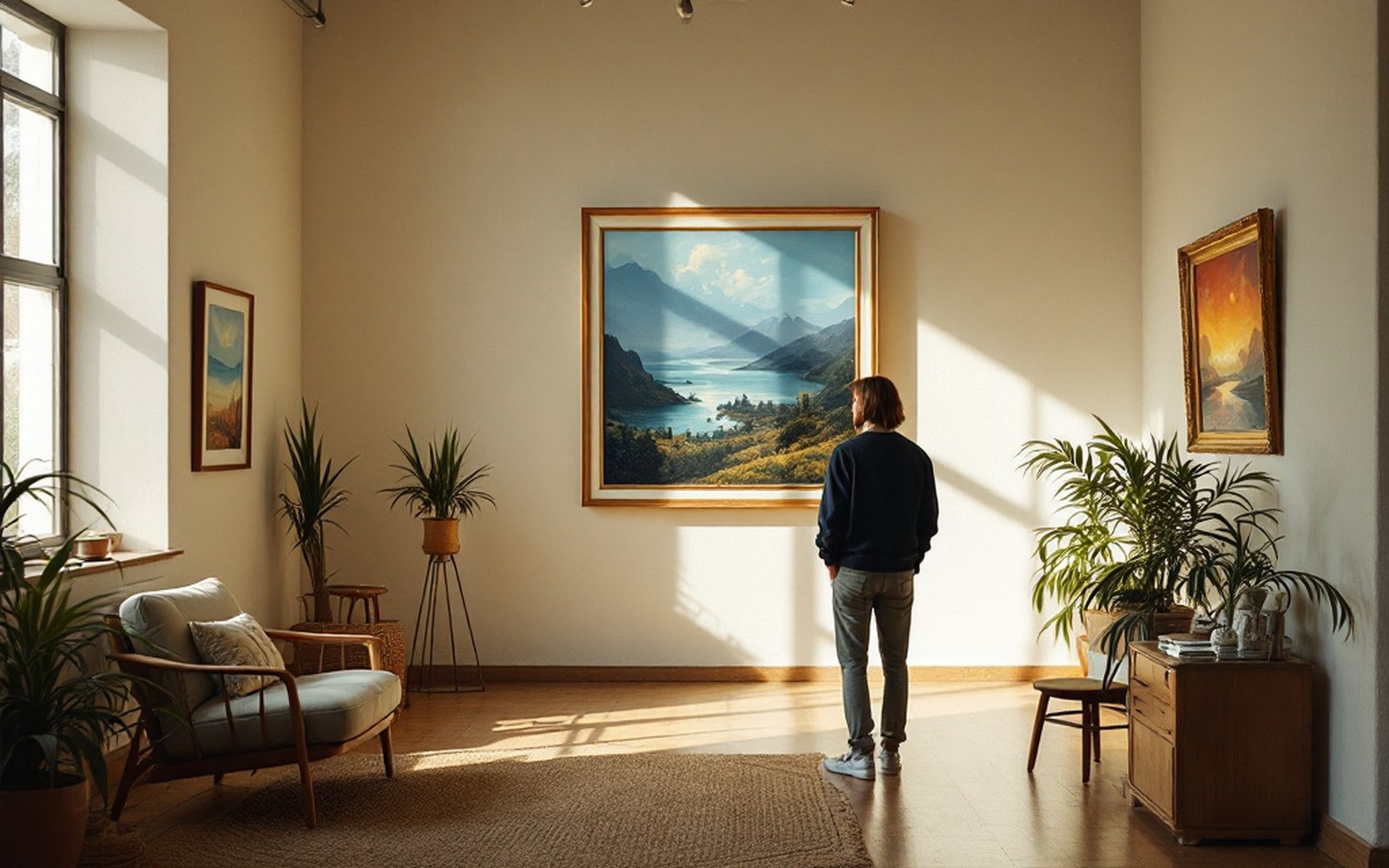
Westmont College sits on a former estate in Montecito, the wealthy enclave east of Santa Barbara, and its art museum occupies the kind of building that most colleges would simply rent out for donor receptions. The Ridley-Tree House Museum of Art at Westmont is a purpose-built campus museum — calm, well-proportioned galleries rather than an afterthought — designed as genuine exhibition space without losing the quality of the architecture. The building itself is part of the argument: art belongs in a place that was built to be lived in, not a white-cube annex tacked onto a science block.
The collection runs to several hundred works and leans toward twentieth-century American painting and works on paper, with particular strength in California art. That regional focus is not provincial narrowness; it reflects the fact that California modernism remains underrepresented in the major encyclopaedic museums on the East Coast, which means a focused holding here carries real scholarly weight. The UCSB Art, Design and Architecture Museum up the coast near Goleta takes a comparable approach — regional depth as a serious research position rather than a consolation prize.
What distinguishes Ridley-Tree from a decorative campus amenity is the ambition of its temporary programme. The museum has mounted loan exhibitions that draw from collections well beyond its own walls, treating the house's rooms as a curatorial problem to solve rather than a limitation to apologise for. Small galleries force decisions: which works matter enough to hang, and in what sequence. The constraint tends to produce tighter arguments than a vast floor plan allows.
Westmont's art department feeds directly into the museum's life. Students work alongside professional curatorial staff, handle research and occasionally contribute to catalogue essays — the kind of apprenticeship that a large research university tends to route through graduate programmes, if it provides it at all. The college's enrolment sits below two thousand, which makes the museum's ambition all the more legible as an institutional choice rather than an accident of scale.
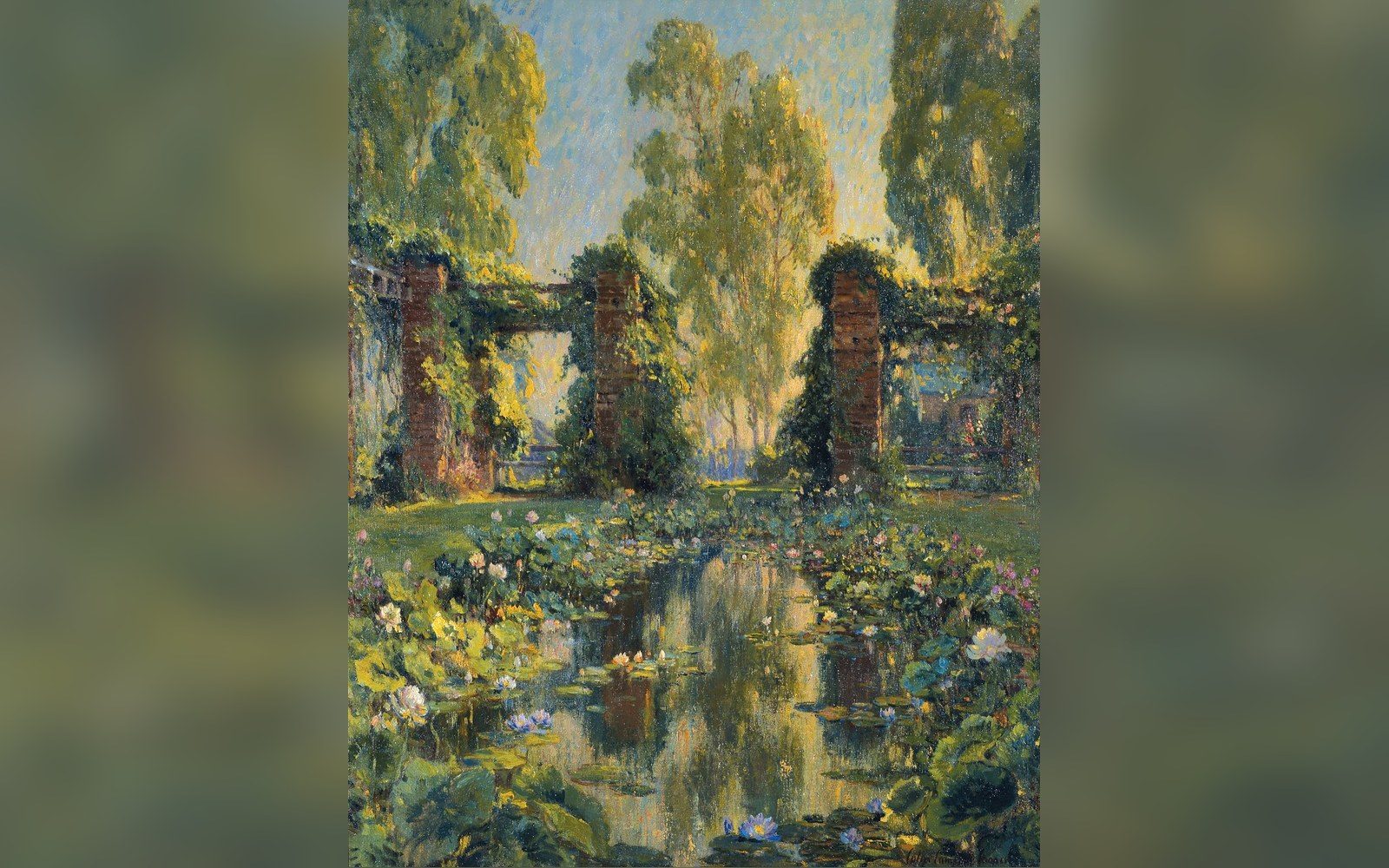
The plein-air tradition that drew painters to the Santa Barbara coast in the late nineteenth and early twentieth centuries is well represented here, and the Montecito setting — dry hills, coastal light, the specific quality of shadow under a tiled overhang — still reads as continuous with the landscape those painters were responding to. The house has not been renovated into neutrality; it retains enough of its original character to remind a visitor that the art on its walls was made in places that looked like this. That continuity between building, collection and landscape is not something a purpose-built gallery can manufacture.
- Loggia
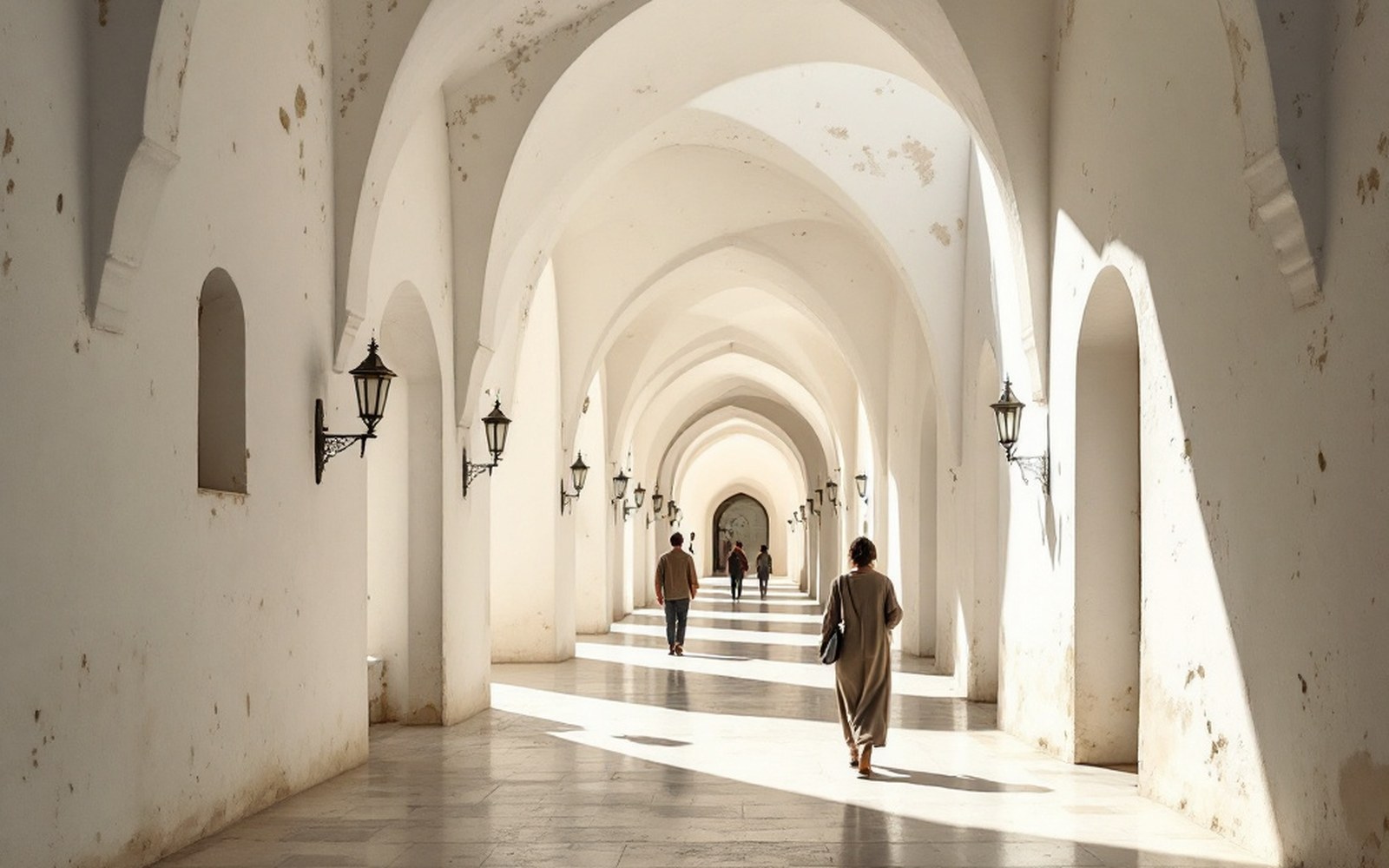
- a roofed gallery or corridor open to the exterior on one or more sides; the Ridley-Tree house has them; they are characteristic of Mission Revival and Spanish Colonial Revival architecture in the region
- Mission Revival
- early-twentieth-century California style drawing on the forms of the Franciscan missions: arched openings, tiled roofs, stucco walls; predates Spanish Colonial Revival and feeds into it
- Non-collecting programme
- temporary exhibitions drawn from loans rather than a permanent collection; contrasts with Ridley-Tree, which does hold a permanent collection
- 1916the house that becomes Ridley-Tree is built in Montecito in the Mission Revival style
- Westmont College founded 1937, originally in Los Angeles, relocating to the Montecito campus