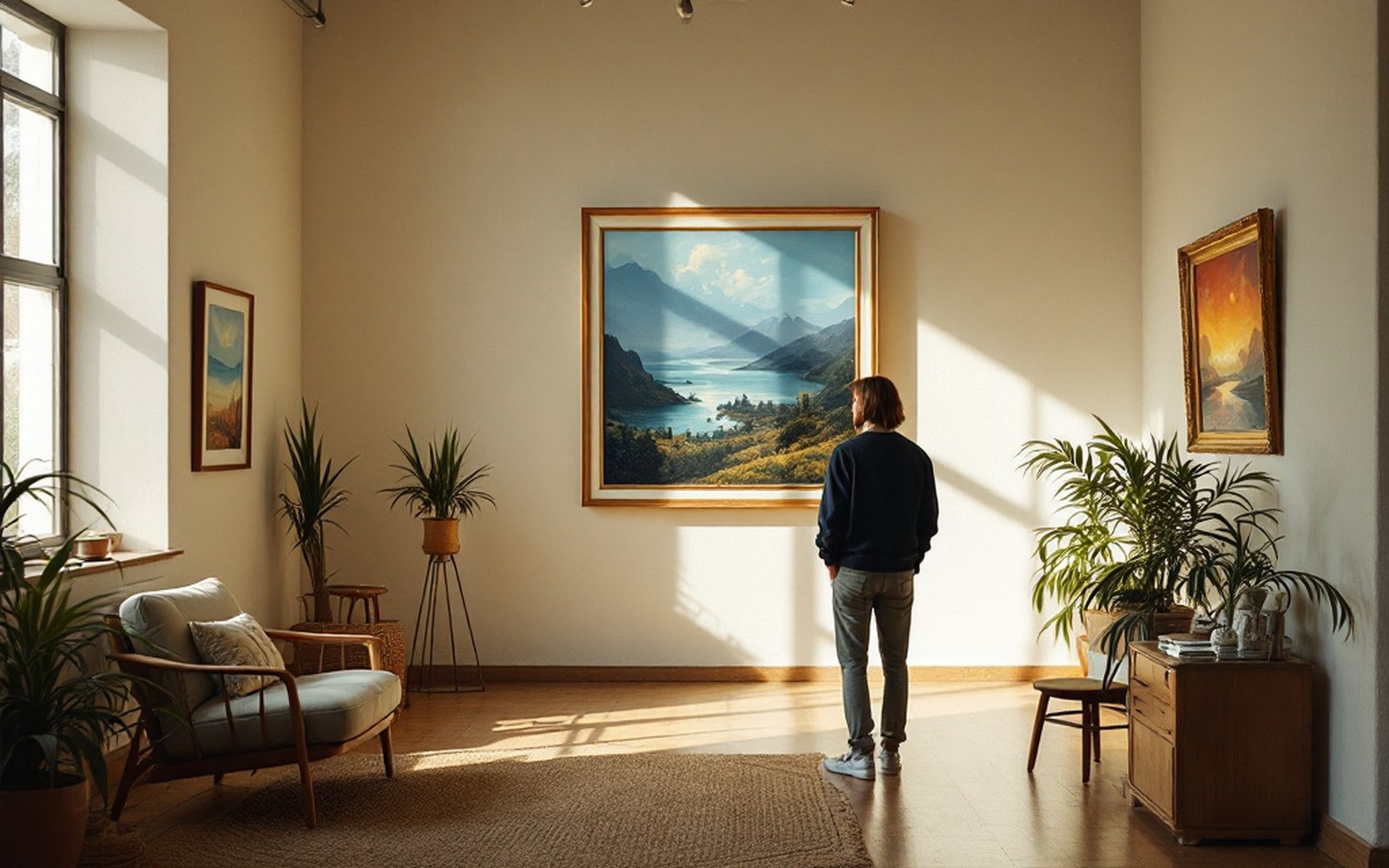
A university museum sits above a lagoon
The UCSB Art, Design and Architecture Museum holds architectural drawings alongside paintings and photographs — a pairing that reflects the research university it serves.
A collection built for looking and for working

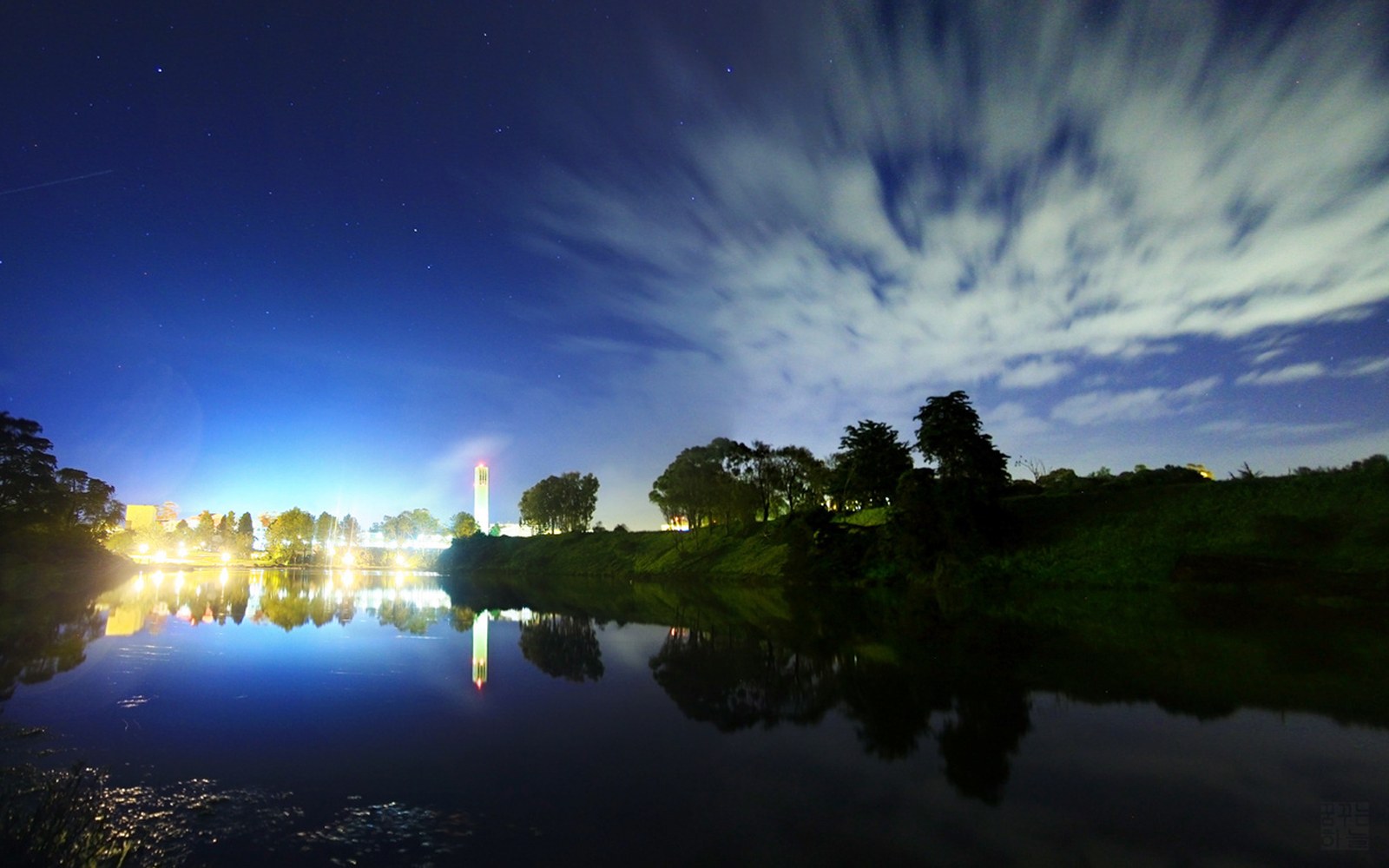
The Art, Design and Architecture Museum sits at the edge of the UC Santa Barbara campus, where the grounds run out toward Goleta Lagoon. The building is not the oldest on campus, but the collection inside it reaches back further than the university itself — and ranges more widely than most campus museums bother to. Paintings, works on paper, photographs, design objects, and a substantial archive of architectural drawings occupy the same institution, which means that a student tracing the history of a building can stand a room away from someone considering a print. That proximity is deliberate, and it shapes the museum's identity more than its size does.
The architectural holdings are what make the AD&A genuinely unusual. Campus art museums across the United States typically collect works on paper and canvas; they do not collect blueprints, renderings and working drawings as part of a sustained research archive. The AD&A does, and those holdings have attracted researchers who would have no particular reason to visit a conventional university gallery. The archive has included drawings by major California architects, which gives it a primary-source character that straight art collections seldom achieve. Students in architecture and design programs use it in ways that students simply do not use most campus museums — not just for looking, but for working.
What a kunsthalle cannot do
A kunsthalle — a non-collecting exhibition space — can stage an argument about contemporary art and move on. A museum with a permanent collection has to answer for its choices over decades. The AD&A does both: it mounts temporary exhibitions that respond to current scholarship and practice, and it stewards a permanent collection that has grown steadily since the museum's formal establishment. The two functions keep each other honest. Temporary programming can take risks that the permanent collection cannot; the collection provides continuity that programming alone never will.
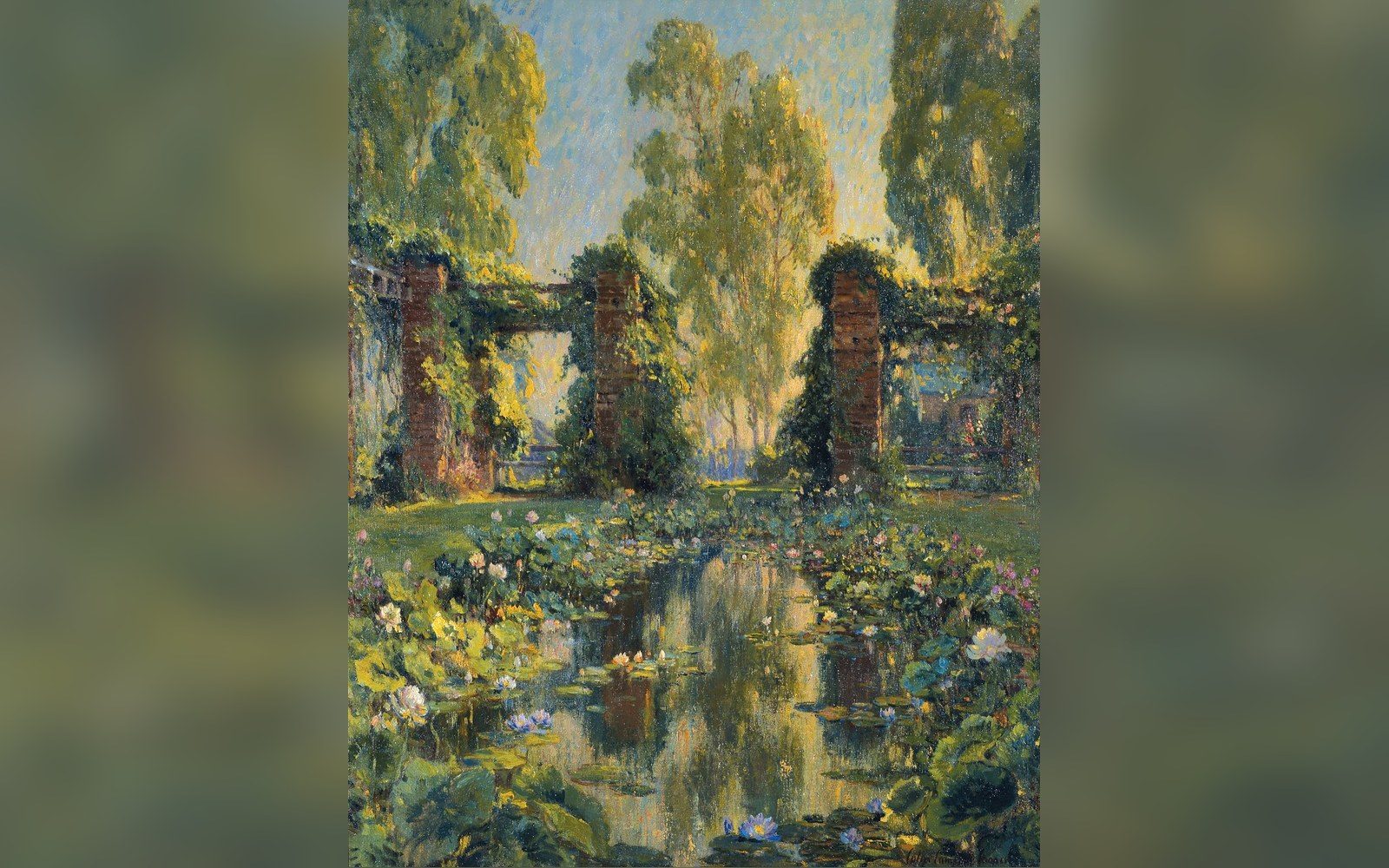
The museum's holdings include California plein-air paintings — work made in the tradition that brought painters like Thomas Moran and Colin Campbell Cooper to this coastline in the late nineteenth and early twentieth centuries — as well as more recent acquisitions in photography. Richard Ross, who has taught at UCSB, is among the photographers whose work has entered institutional collections in the region. The permanent collection is not enormous by metropolitan museum standards, but it has real depth in areas that directly reflect the university's research priorities, which is exactly what a campus museum should have.
The photography holdings matter in a local context. Santa Barbara spent decades as a center of photographic education, largely through the Brooks Institute, which trained commercial and documentary photographers from its founding in 1945 until it closed in 2016. Some of the work produced in and around that tradition filtered into regional collections, and the AD&A's photographic holdings sit in that broader landscape — not as an archive of the Brooks program specifically, but as evidence of how seriously this corner of California took the medium.
- Late 19th–early 20th century: California plein-air tradition the museum's historical paintings draw on
- 1945: Brooks Institute of Photography founded in Santa Barbara
- 2016: Brooks Institute closes, ending seven decades of photographic education in the city
The building and what surrounds it
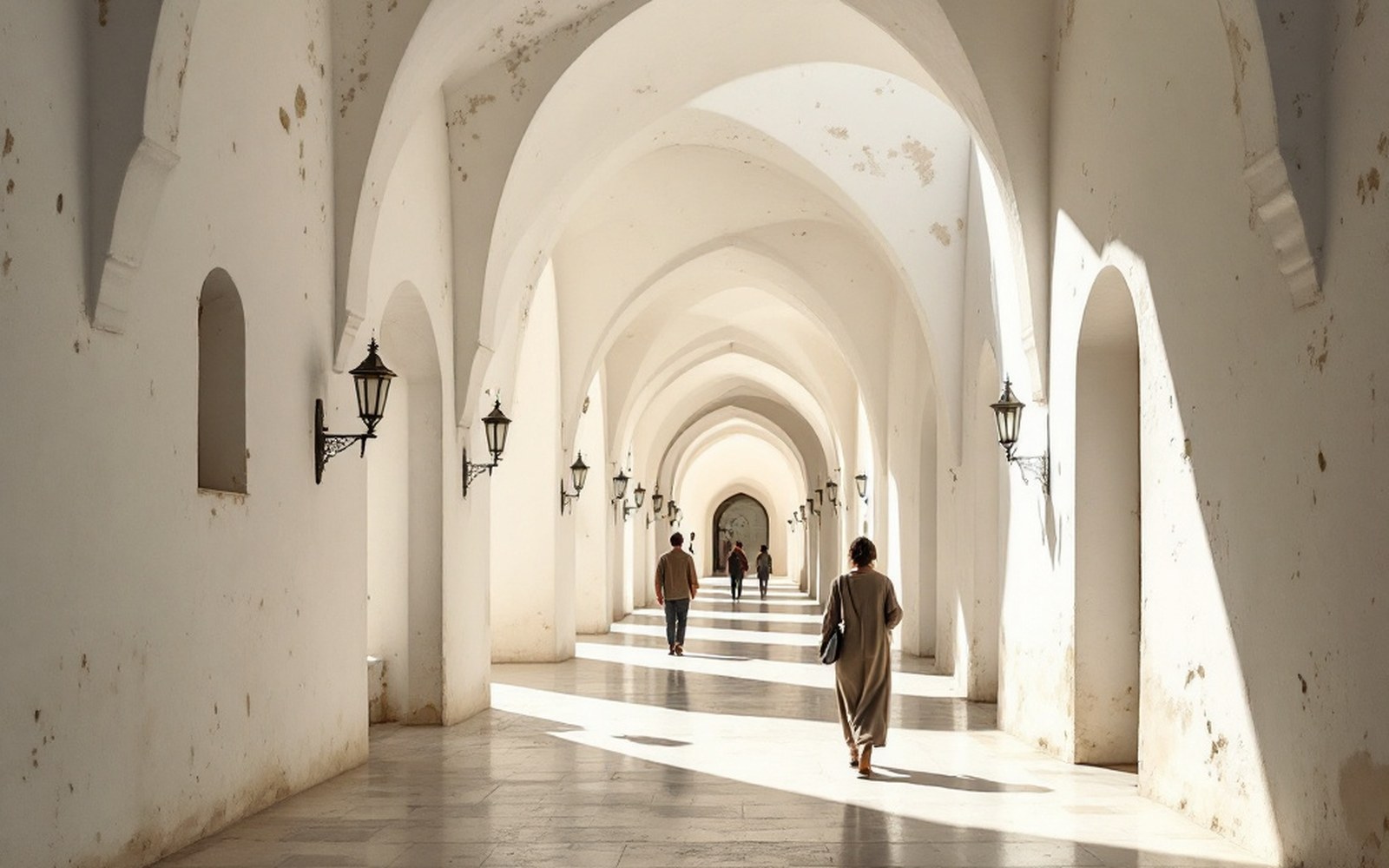
The museum is part of a campus that was built out quickly in the postwar decades, on a site that is flat, coastal and almost aggressively horizontal. There is no historic core in the European sense — no medieval quadrangle, no Victorian clocktower. What the campus has instead is light, and a consistent relationship with the ocean, the lagoon and the sky that gives even ordinary buildings an uncommon quality of atmosphere. The museum benefits from this. The lagoon is not a dramatic feature, but it orients the building, and the quality of coastal light that made Santa Barbara a plein-air destination in the first place reaches the campus without interruption.
For a town that sustains its art life through a relatively small number of institutions — the Santa Barbara Museum of Art, the Museum of Contemporary Art Santa Barbara, several smaller galleries and the university museum — the AD&A carries weight that its square footage does not obviously suggest. It is a research institution that is also genuinely open to the public, which is a rarer combination than it sounds. The architectural archive alone justifies the drive out to the edge of campus. That it also has paintings worth standing in front of is not incidental; it is the argument the collection makes every time someone walks from one room into the next.