Warehouses near the tracks turned into galleries
Salt air, cheap rent, and the particular indifference of industrial zoning: how the Funk Zone became Santa Barbara's liveliest quarter for art.
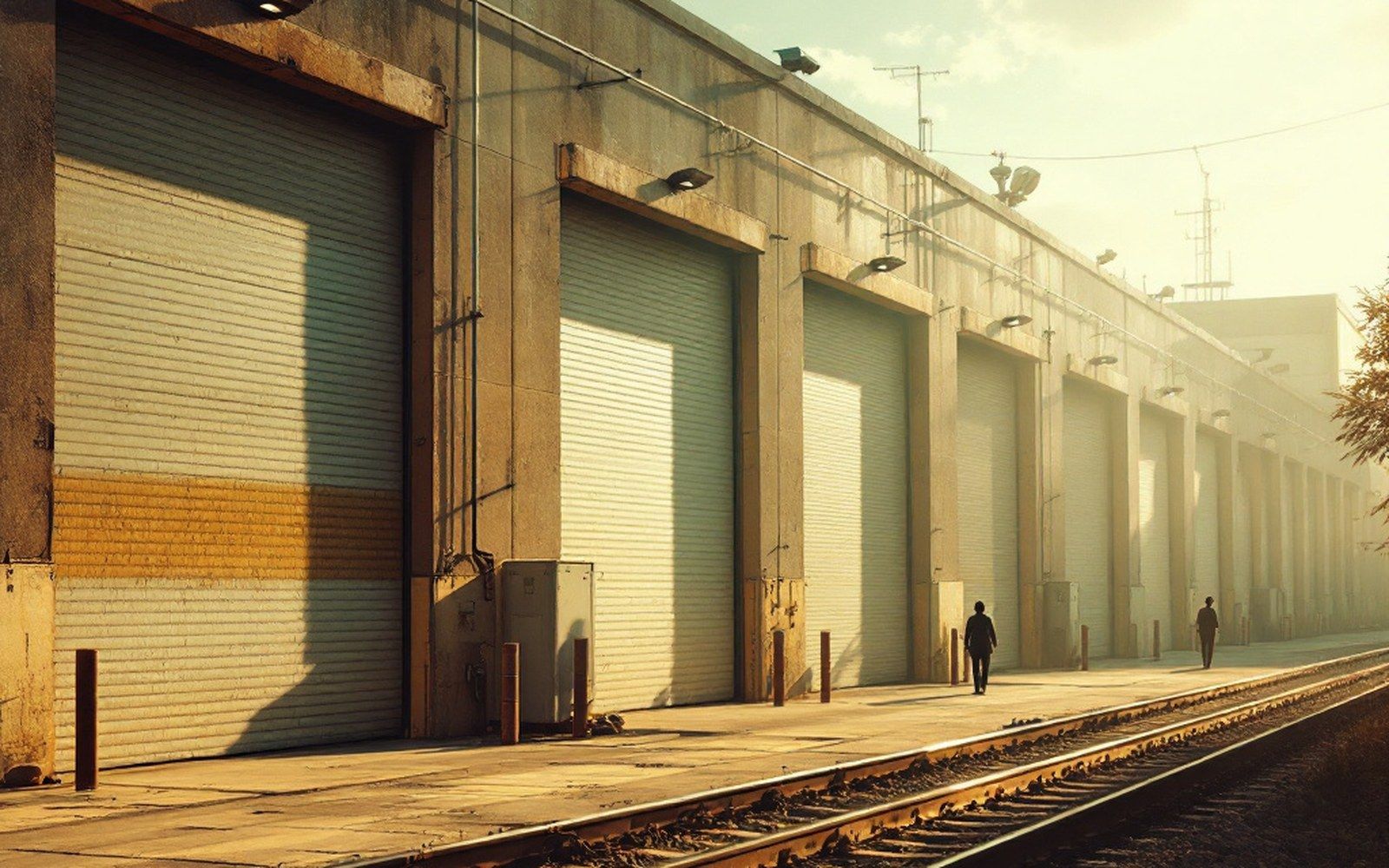
The rails still run, and the buildings stayed
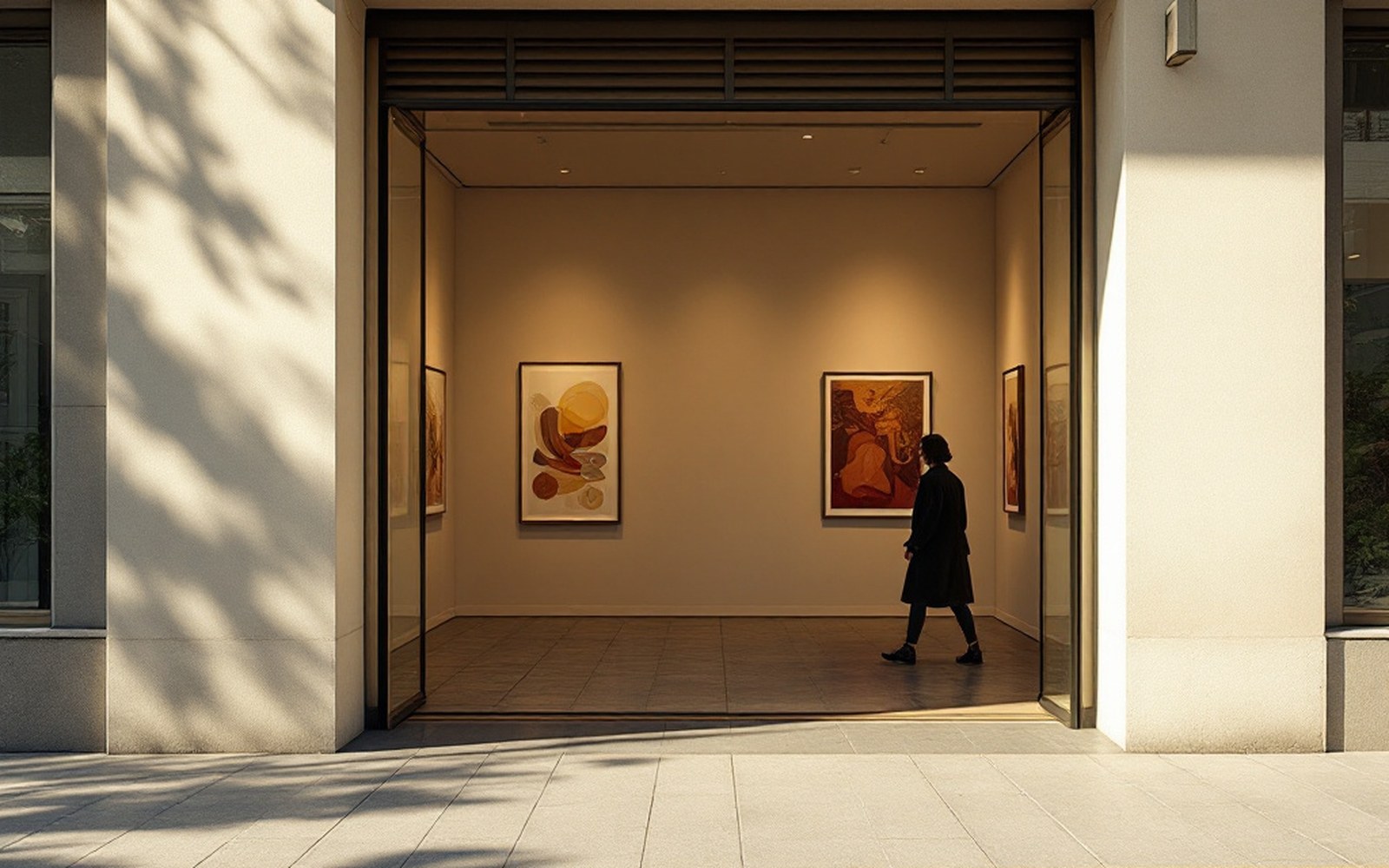
The strip of low concrete and corrugated-metal buildings that runs between the 101 freeway and the beach in Santa Barbara was never designed for aesthetics. It was a working district — fish canneries, railroad infrastructure, light manufacturing — and when those uses thinned out in the late twentieth century, the buildings simply sat, undervalued and salt-weathered, a few blocks south of State Street. That neglect turned out to be the Funk Zone's best asset.
The name was already local slang before the galleries arrived: a slightly ironic acknowledgment of the district's funkiness relative to the Spanish Colonial Revival tidiness that the Architectural Board of Review had made effectively compulsory for the rest of downtown. Industrial zoning is harder to legislate aesthetically, and the buildings here were built for use rather than display. Their low ceilings and poured-concrete floors were, it turned out, exactly what working artists and small-scale exhibitors needed and could afford.
The transformation gathered speed through the 2000s and into the 2010s. Studios came first — painters, sculptors, ceramicists who wanted large footprints at rents the historic downtown couldn't offer. Tasting rooms followed, drawn by the same economics and by proximity to the city's growing wine-country tourism. The two uses mixed without much friction: a long, white-painted room works equally well for hanging canvases and pouring Sta. Rita Hills pinots, and more than a few Funk Zone addresses do both on alternate days.
What the district never became is a single curated thing. There is no Funk Zone Arts District authority, no unified programming, no admission gate. The galleries and studios that established themselves here — including photographer Richard Ross's long association with the area — operate independently, with the kind of self-organised calendar that suits working artists better than a managed-events model. That informality is part of the appeal and part of what makes the quarter genuinely alive rather than merely themed.
The Santa Barbara Museum of Art sits a mile north on State Street; MCASB operates in a more institutional register. The Funk Zone does something different: it keeps the art close to the conditions of its making. The buildings are still slightly too hot in summer and the parking is still bad. That feels correct.
- Late 20th centurycanneries and light manufacturing thin out; buildings left vacant and undervalued
- 2000s onwardartists and studios begin moving in, drawn by affordable rents and large floor plates
- 2010stasting rooms and galleries mix in the same footprint; district identity consolidates